The Formula of Influence: Super PACs and the Battle for Capital, Power, and Resources
By The Business Club Editorial team Written in partnership with the Twitter Help Reddit community

I. The Midterm Humiliation
History, with its sophisticated sense of humor, seems to have a special place for American presidents and midterm elections - a place reserved for the humbling lesson. There’s a certain cosmic symmetry to it: the same forces that lift a president to power are the ones that, just a few years later, pull their party back toward the center.
The moment that majority slips, the presidency turns into a legislative standstill:
Laws? Blocked.
Budgets? Frozen.
Cabinet appointments? Stalled indefinitely.
The Opposition? Arming themselves with subpoena power for endless congressional investigations.
It is a relentless mechanism that no president’s strategy can quite bypass, yet corporate boardrooms absolutely adore midterms.
II. The Super PAC Spectacle: How to Buy a Hero
In the U.S., a corporation cannot directly slip a briefcase of cash to a congressional candidate. Even individual donors are capped at $3,500 per election cycle.
Enter the Super PAC - the ultimate legal walkaround.
Through Super PACs, corporations can donate unlimited millions to inundate swing districts with polished advertisements. They don't just promote candidates; they carve legends. They transform their preferred choices into heroic defenders of progress while recasting opponents as antagonists or tragic figures in 30‑second commercial spots.
Why? Because the men and women taking those seats in Congress won't just vote on tax brackets—they will write the rules for artificial intelligence, data sovereignty, and the national balance sheet.

The AI Lobbying Matrix
This election cycle, the tech industry giants aren't waiting for regulations to settle; they are hand-picking the lawmakers who will vote in their favor.
"Build Now, Control Later": Leading The Future, backed by OpenAI and Andreessen Horowitz, argues that slowing down AI deployment is economic suicide.
"Safety First": Public First, supported by Anthropic, advocates for safeguards before algorithms control critical infrastructure. The term “guardrails” sounds protective, and it masks a high-stakes power play.
"State Immunity": Meta-backed Super PACs focus on preempting state and local laws, ensuring a patchwork of 50 different state AI regulations never sees the light of day.
Think of it this way: you wouldn’t steer a cargo ship through a narrow channel without charts. Yet right now, voters are deciding whether the most powerful technology humanity has ever built should be stress-tested - like a commercial airliner undergoing every conceivable simulation - or unleashed as a hastily patched prototype with a “proceed at your own risk” disclaimer.
III. The Megaphone and Project Meridian
If Super PACs are the army, Elon Musk has positioned himself as the high commander.
Having poured over $500 million into Republican funds and his own America PAC, Musk stands as the single largest disclosed donor in modern political history. But money is only half the equation - the other half is narrative control.
By owning X, formerly Twitter, through SpaceX Super Intelligence and SpaceX, he wields monumental financial influence and controls a major public forum.
A year after his hasty exit from DOGE , the Department of Government Efficiency, Musk has re-entered the Pentagon’s inner circle. Appointed by Defense Secretary Pete Hegseth, Musk, alongside Anduril CEO Palmer Luckey and former Speaker Newt Gingrich, now co-leads Project Meridian.
Their 120-day mission? Absolute technological dominance on the next-generation battlefield—ranging from AI-driven warfare and subterranean combat to lunar defense systems.
V. The Sword of the King.
Economic stewardship requires piercing through the noise - the bureaucratic acronyms, the intricate PAC filings, and the lightning-fast land leases that seem to appear overnight.

Just as in the legend of King Arthur, where the crown did not go to the loudest knight, true power lies in the hands of those who can discern the real from the artificial. In that ancient tale, the crown was won by the one who could draw Excalibur from the stone.
Today, in our modern democracy, the vote itself is that sword. This midterm election is not merely about shifting party allegiances; it’s about who holds the keys to the future of human intelligence, natural resources, and the flow of capital.
The challenge stands right before us - clear, unmistakable, and demanding. The fate of our nation rests in the balance, yet the power to shape its trajectory remains entirely within our collective reach.
Will you draw the sword?
The End
What are your thoughts on building AI data centers on public land? Share this article and join the conversation at The Business Club.
King Arthur is a legendary British monarch and central figure of medieval lore who, though viewed by historians as a traditional leader rather than a real historical king, famously led the defense of Britain against Saxon invaders alongside his Knights of the Round Table.
About the Author

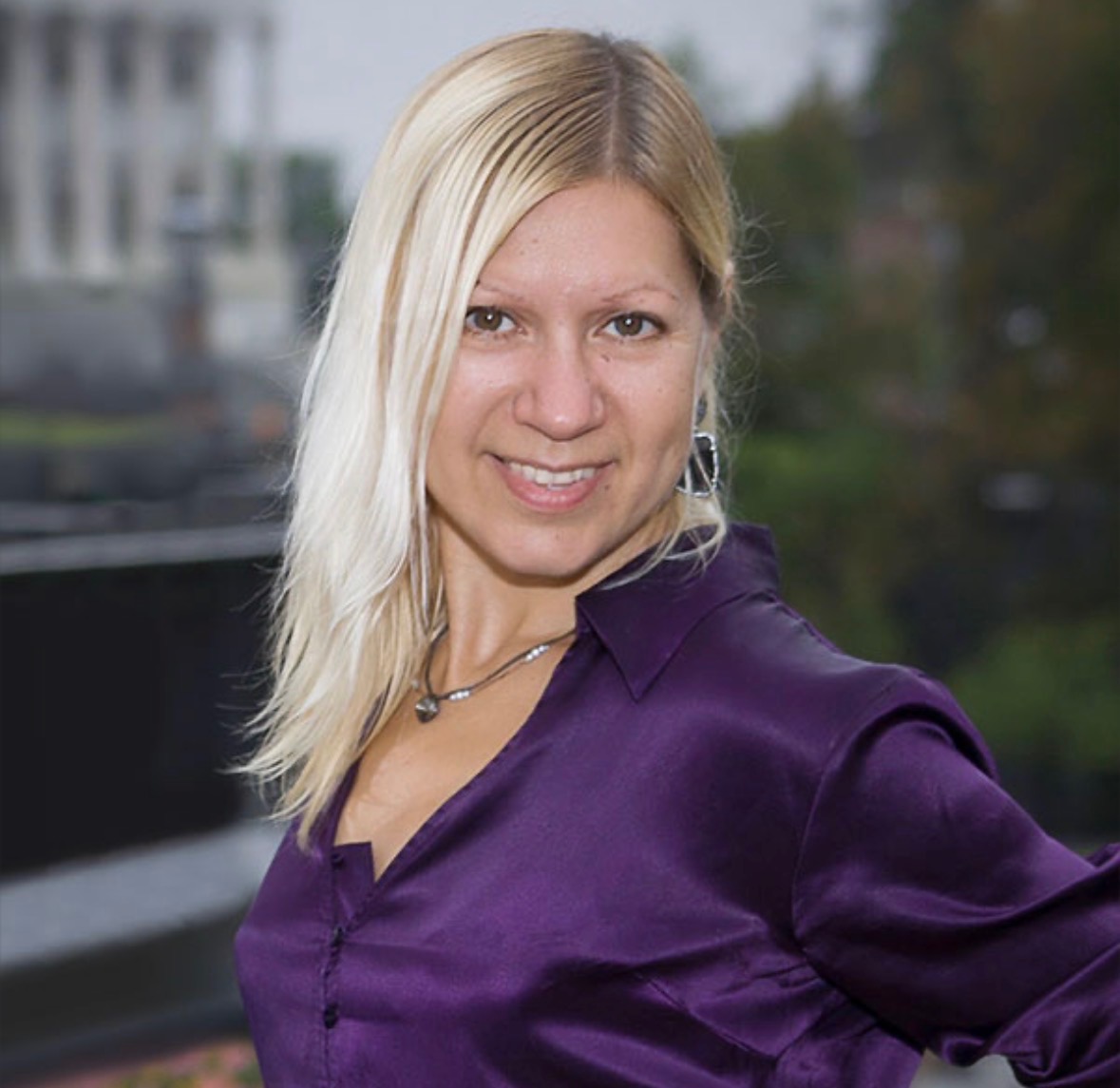
As the resident strategist for Citizen Financial Center and The Business Club, Elena Keith covers the intersection of success and the economy, banking and the art of wealth-building, guiding business leaders through the inner circles of commercial banks, Private Equity, and family offices.
From the International Monetary Fund boardrooms to the corridors of Capitol Hill, Elena brings clarity to the business world, operating on the principle that finance is at its best when it is practiced with kindness.


Comments